Europe
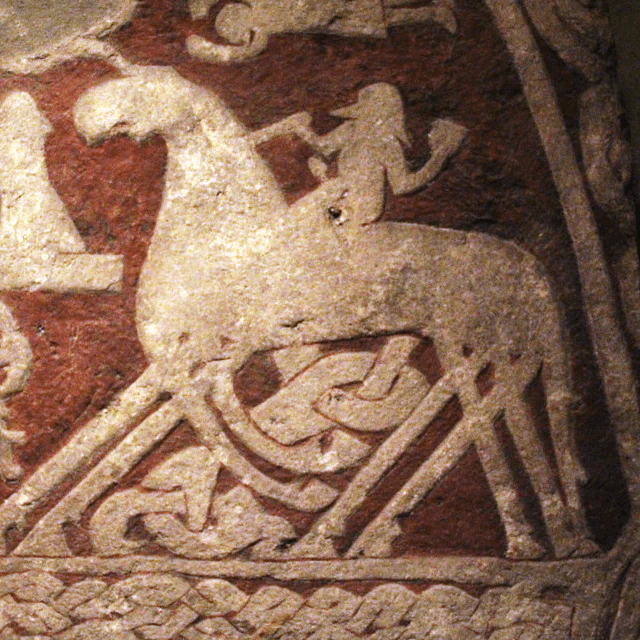
Europe has very diverse cultures, but as with any of the previously mentioned continents, they all have some kind of trickster. The largest name anyone could recognize is Loki, the Nordic god of trickery. This name, Loki, was likely derived from the old norse word for knot or loop, giving it a connection to entanglement and trickery. Loki was in the Norse pantheon of gods known as the Aseir. Although he was not born of the all-father Odin himself and was instead a giant by blood, he was adopted by Odin into the hierarchy of the gods. Like many other trickster deities, Loki can change his appearance and sex. Almost all of his feats of trickery or otherwise used this ability. One such feat occurred near the beginning of time when the aesir promised the sun and moon to an insignificant builder at Loki’s convincing. They agreed so long as he completed a task with the help of no other man. It seemed that this lowly builder was close to achieving his goal with the help of the stallion Svadilfari. This made the other gods angry at Loki because he talked them into the agreement. The gods demanded he fix it so he shapeshifted into a gorgeous mare to distract the stallion assisting the builder. This led to Loki becoming pregnant and birthing Odin’s eight-legged horse named Slepnir. Along with this feat and many others, one that truly shows off the depths of his trickery is his plot to kill Baldur. Baldur was known for his immortality due to his mother, Frigg, going to every object living or not, and making them vow to never harm Baldur. She was close to being fully complete but forgot mistletoe. When Loki learned of this he carved a spear of mistletoe and handed it to the blind god Hodr, saying that the blind god must feel left out of the other gods proving Baldur’s immortality. Hodr bent to Loki’s scheme and threw the spear in the direction Loki pointed him toward. The spear struck Baldur squared in the chest and killed him immediately. The Norse are one of the very few cultures that have a deity specific to trickery but it gave them something to blame for their misfortune. Other cultures blamed this misfortune on the crafted personalities of the larger deities. This takes us off to Slavic paganism.
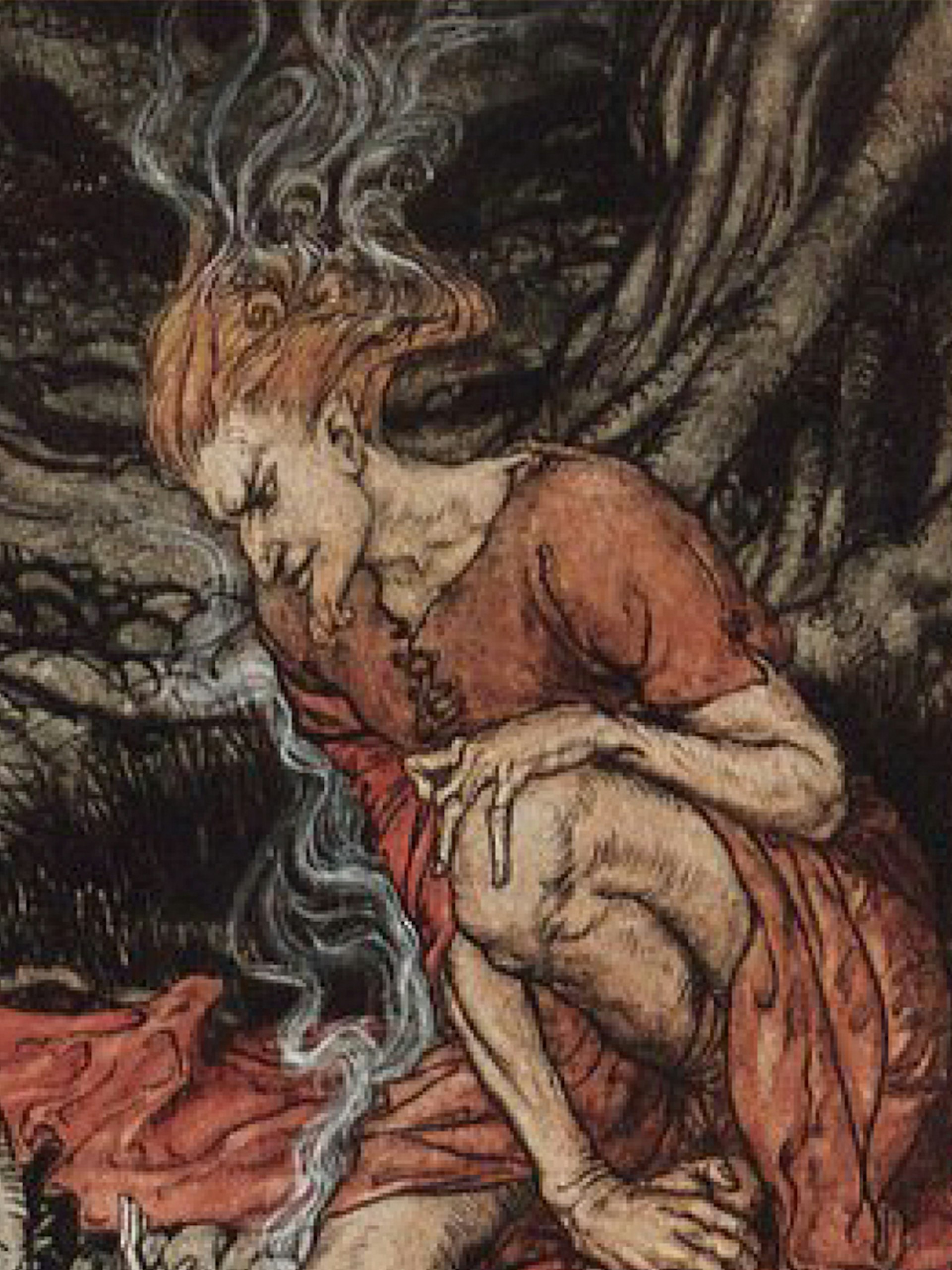
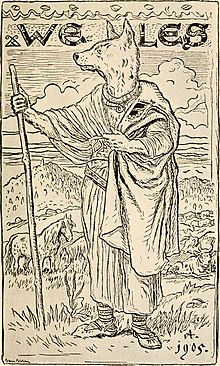
Slavic Paganism and Nordic culture are fairly similar, but the Slavs don’t have a structured hierarchy like the norse and instead focus more on the concept of fate and the world tree Yggdrasil. This difference shows in their god who can barely classify as a trickster. Veles is the god of the Underworld, lowlands, cattle, and a few other scattered and quite random things. Veles is a shapeshifter like most of his fellow tricksters but usually takes the form of an old man containing traits of the animals used to represent him, like the fur of a fox and the horns of a cow. Shapeshifting is not unusual for most of the Slavic pantheon which shows that they relied less on the structure of a hierarchy and more on nature and the natural path life will take. Veles is seen as a trickster due to his kidnapping of Jaryło, the son of Perun. Perun is Veles’ opposite this kidnapping caused a war between the two counterparts to break out. This story is just speculation but historians due to there being very little written text passed down in ancient Slavic cultures. Juxtaposed to this, there is plenty of documentation from the ancient Greek and Roman mythoses.
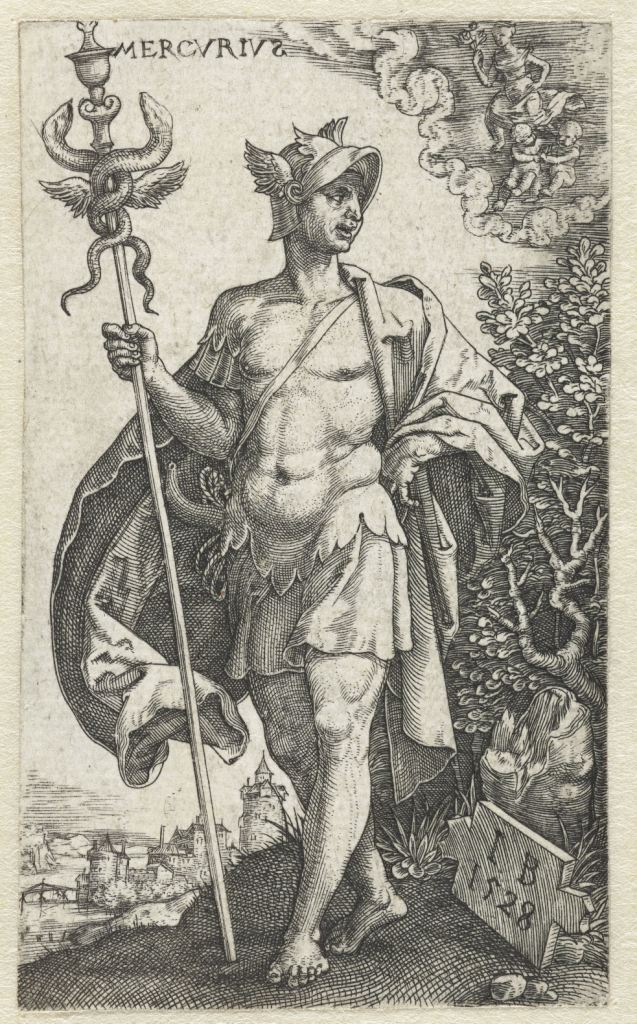
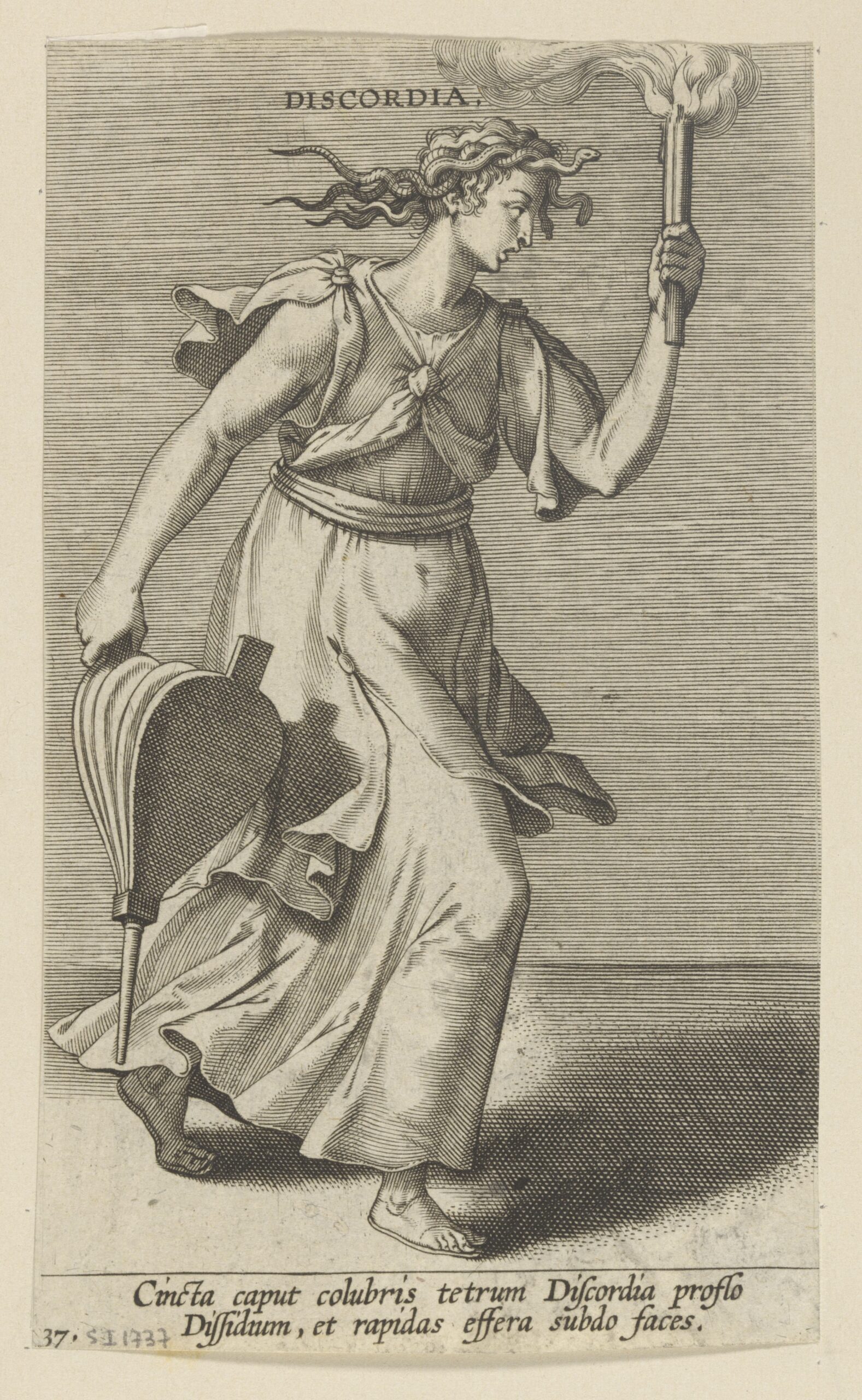
In Greco-Roman mythology, there is no specific God of mischief or trickery, but some deities within the pantheons are patrons of similar ideas. Mercury, or Hermes to the Greeks, symbolized many things including trade, wealth, luck, fertility, animal husbandry, sleep, language, thieves, and travel. The notable qualities that got him a spot with the tricksters of the other pantheons are luck and thieves. “Hermes was known for his impish behaviour and curiosity,” (Cartwright). One of Hermes’ feats of tricker was when he stole Apollo’s herd of cattle purely for his amusement. After covering their hoof marks he almost got away with the heist, but the satyrs found him and the cattle. There was a hearing before Zeus and Hermes won, being allowed to keep the herd as long as he gave Apollo his lyre, which he is credited for inventing. The other Greco-Roman goddess that deserves the title of trickster is Eris. Eris, the Roman Discordia, is the god of discord and strife. Due to this, within the mythos, she is not very popular. She stirred up trouble wherever she went so most of the other gods avoided her. The main exception is the god of war, Ares. Eris often accompanied Ares to battle and “rejoiced in the horrors of war alongside her,”(Miate and Jordaens). Although Eris has no strikingly mischievous actions in the mythology she still was a cause for much heartache and was partially credited as a cause for the Trojan War. Though many of these European countries have parallels in their mythology, native american mythology is more similar to tribal African mythologies.